Are Both Quotes Based on the Same Sign?
A common purchasing mistake is assuming that the same artwork creates the same product.
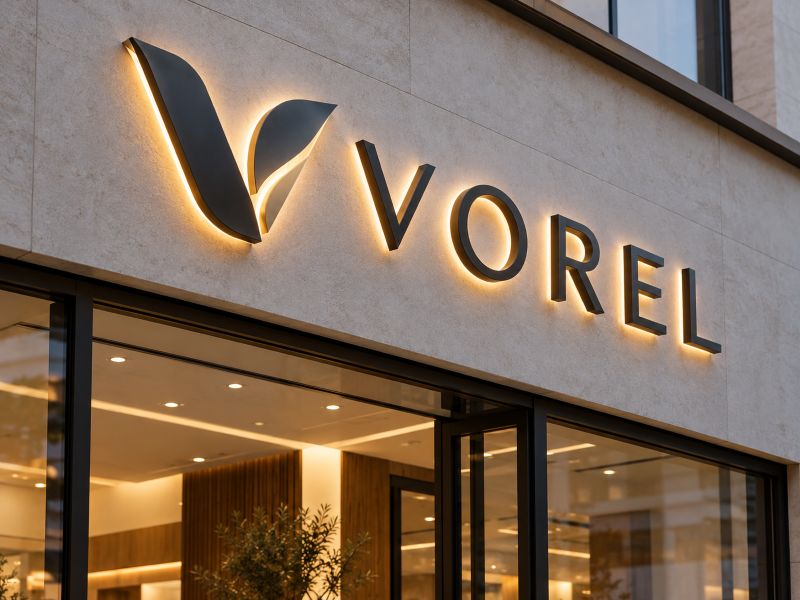
Imagine sending the same 2000 mm-wide storefront logo to two factories.
Manufacturer A may calculate:
4.5 mm acrylic faces,
100 mm aluminum returns,
specified LED modules,
multiple power groups,
outdoor drainage,
pre-drilled mounting points,
installation templates,
separated electrical accessories,
reinforced export packing.
Manufacturer B may calculate:
3 mm acrylic faces,
80 mm returns,
standard white LEDs,
basic wiring,
standard carton packing.
The front rendering may look nearly identical, especially on a computer screen. Production cost will not.
Dimensions alone also do not define a sign. A 2000 mm-wide logo installed inside a shopping mall has very different requirements from the same 2000 mm-wide logo installed six meters above an outdoor storefront.
Installation height, wind exposure, wall construction, viewing distance, ambient light, maintenance access, power location, and transportation size may all influence the proposed structure.
A useful comparison therefore starts by freezing the important specifications.
For illuminated signs, compare at least:
- overall dimensions and individual letter dimensions
- face, return, and back materials
- material thickness where relevant
- letter or cabinet depth
- illumination direction
- LED color or color temperature
- power-supply arrangement
- wiring and wire exits
- mounting system
- indoor or outdoor use
- waterproofing and drainage
- accessories
- packing method
- warranty scope
Different engineering methods are acceptable. Two factories do not need to manufacture a sign in exactly the same way. The finished products, however, should meet the same project requirements before their prices are treated as direct alternatives.